Recent Post
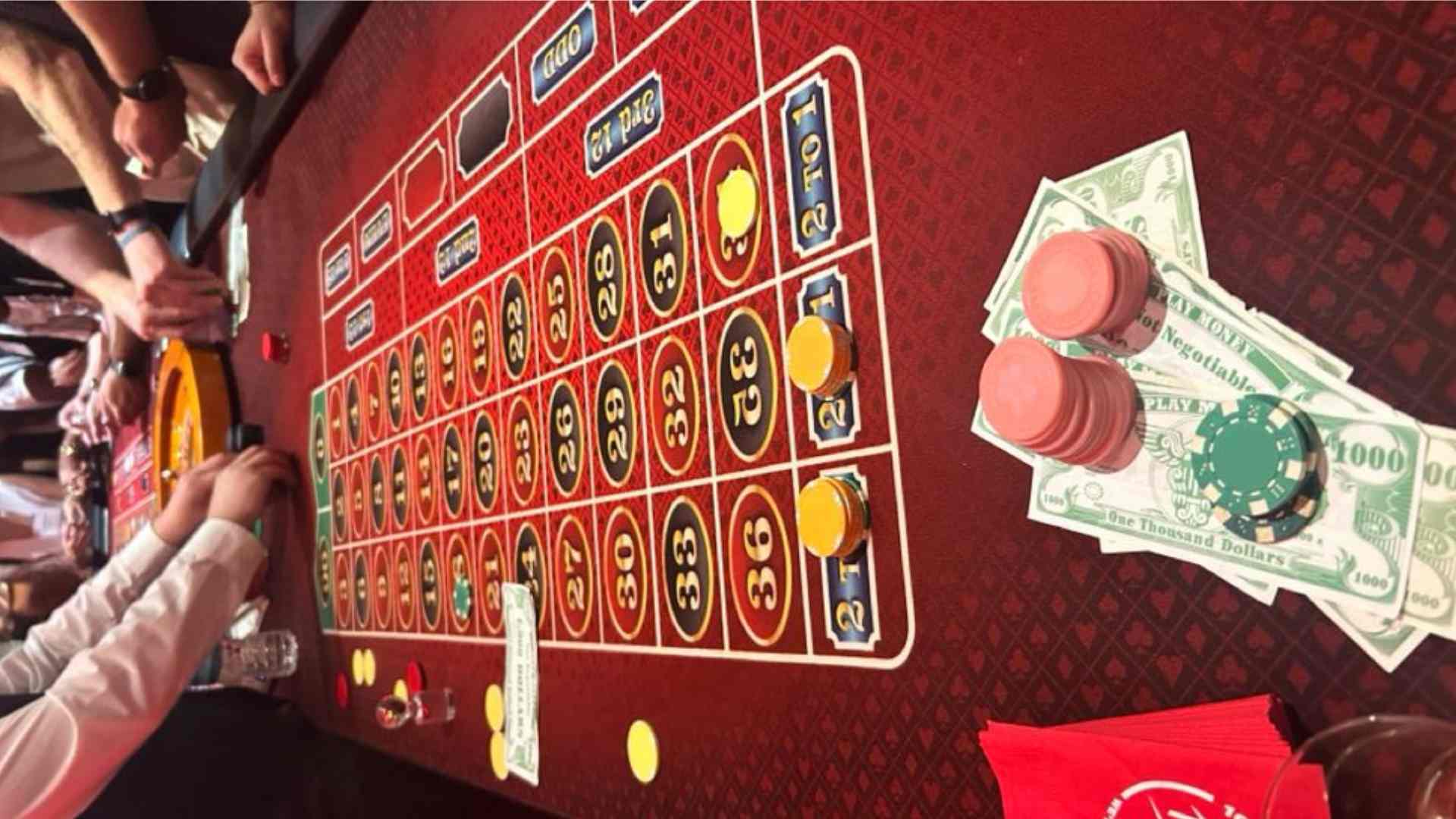
Lucky Draw Strategies Without Relying on Luck Alone ...
Many individuals view lucky draws as entirely random events where personal actions have no bearing on the final outcome. While the final selection process relies on an automated random draw, participants can still implement methodical approaches to improve their overall position. By shifting focus from pure fortune to structured optimization, you can elevate your approach and achieve more reliable engagement in various campaigns.
Analyze the Campaign Mechanics
Before entering any promotional giveaway, it is crucial to carefully examine how the entire system operates. Different platforms utilize unique structures, ranging from simple submission pools to tiered milestones that reward proactive user behavior. Understanding these specific rules allows you to identify legitimate opportunities and avoid wasting effort on poorly structured events.
Many participants fail to secure prizes simply because they overlook compliance parameters or miss specific verification steps required by organizers. For instance, studying data transparency on digital systems like M88.com can reveal how modern platforms handle random selection with verifiable algorithms. Educating yourself on standard verification processes helps protect your entries from accidental disqualification.
Optimize Entry Limits and Timing
A fundamental method for increasing your mathematical probability of winning involves maximizing the permitted entry allowance. If a promotional event allows daily submissions, setting a structured schedule ensures you collect the maximum possible entries before the deadline closes. Consistently showing up alters the overall pool distribution in your favor compared to passive participants who only enter once.
Additionally, paying attention to the duration and active windows of a campaign can give you a subtle advantage. Some promotional campaigns feature lower active engagement periods during specific weekdays or holidays, presenting a quieter field of competition. Capitalizing on these specific timing variations allows your submissions to stand out more effectively within smaller batches.
Target Lower Competition Fields
While massive national promotions boast highly attractive rewards, they simultaneously draw millions of entries, lowering individual odds to microscopic levels. Conversely, focusing your energy on regional or niche market campaigns significantly improves your statistical likelihood of being selected. These smaller events provide an excellent alternative pathway for accumulating consistent, smaller victories over time.
Finding these specialized campaigns requires searching through localized business directories, regional community boards, or smaller digital brands. The barrier to entry might be slightly higher due to specific registration requirements, but the heavily reduced crowd size makes the extra research highly efficient. Experienced sweepstakes enthusiasts frequently rely on this specific targeting balance to maintain a steady rate of return.
Maintain Balanced Budgeting and Discipline
Approaching promotional campaigns as a structured hobby requires strong personal discipline and a clear definition of boundaries. If a giveaway demands a minor purchase or an entry fee, always calculate the overall value against your current personal limits before committing. Avoid chasing high-value prizes blindly without considering the practical trade-offs involved in continuous participation.
A sustainable strategy involves documenting your active entries and reviewing your historic outcomes to see which formats deliver the best engagement. This logical record-keeping removes the emotional frustration typically associated with relying on random fortune. By staying patient and maintaining an analytical framework, your promotional activities remain both safe and highly rewarding.

The Psychology Behind Number Selection in Keno ...
Keno is a game of pure chance, yet players often spend considerable time deciding which numbers to select. This behavior highlights the fascinating cognitive patterns that humans apply when interacting with completely random systems. Understanding why we choose certain spots can provide deep insight into our psychology and decision-making processes.
The Illusion of Control in Random Games
Many players believe they can influence the outcome of a game by using specific strategies or picking personal numbers. This psychological phenomenon is known as the illusion of control, where individuals mistake purely random events for manageable outcomes. In lottery-style setups, choosing your own numbers provides a comforting sense of agency that random selection cannot replicate.
This drive for personal involvement explains why customized combinations remain incredibly popular worldwide. Gamblers often feel that their active participation somehow aligns with future results, even when mathematical evidence proves otherwise. Engaging with platforms like M88.com often showcases how widespread these superstitious habits are among enthusiasts.
The Human Mind and Pattern Recognition
The human brain is naturally hardwired to recognize patterns and find meaning in random arrangements, which is an evolutionary survival trait. In a game of chance, this leads players to see trends in past draws where none actually exist. People often look at previous results to predict what will happen next, falling victim to common cognitive biases.
For instance, if a number has not appeared in several rounds, individuals might think it is due to hit soon. Conversely, some prefer to stick with hot streaks, believing certain figures carry a temporary momentum. Both approaches ignore the foundational rule that every individual draw is entirely independent of the last one.
The Emotional Value of Personal Numbers
Emotions play a critical role in how we pick numbers, as many selections are tied to birthdays, anniversaries, or lucky digits. Using meaningful dates provides an emotional connection to the gameplay, transforming a simple choice into something deeply personal. This connection increases enjoyment because a win feels like a confirmation of personal significance.
However, relying heavily on calendar dates restricts choices to numbers between one and thirty-one. This habit naturally limits the selection grid, though it does not technically alter individual mathematical odds. Ultimately, the emotional satisfaction of playing meaningful numbers often outweighs purely logical considerations for casual players.
Reframing the Experience of Chance
Accepting that results are governed entirely by random number generators can actually make the experience more relaxing. When the pressure to find a winning formula is removed, players can appreciate the game purely for its entertainment value. Shifting focus away from complex predictions allows for a more lighthearted and responsible approach to gaming.
Whether choosing randomly or sticking to a sentimental set, enjoying the process remains the most important aspect. Recognizing our psychological tendencies helps us stay grounded while participating in games of chance. Embracing randomness ensures that every draw is met with realistic expectations and genuine excitement.

Why Patience Is Important in Rummy Tournaments ...
Entering a competitive card tournament is often a test of mental endurance as much as it is a challenge of strategic card play. While many players focus heavily on memorizing complex combinations, the ultimate differentiator between amateur and professional players is emotional control. Cultivating a calm demeanor allows individuals to navigate the shifting tides of long sessions without making hasty decisions that lead to early elimination.
The Value of Waiting for the Right Hand
In high-stakes card matches, players are frequently dealt consecutive hands that offer little to no mathematical advantage. Rushing into gameplay with a weak starting hand is a common error that can quickly deplete your standing. Exercising restraint allows you to fold early and preserve your resources for moments when the odds are heavily in your favor.
By maintaining a disciplined waiting strategy, you avoid unnecessary point penalties that accumulate over multiple rounds. This deliberate approach forces your opponents to play actively while you conserve valuable mental energy. Trusting the natural distribution of cards ensures you remain viable when a truly dominant hand finally arrives.
Observing Opponent Behaviors Under Pressure
A quiet, patient observer can gather an immense amount of tactical information simply by watching how others react to the clock. When you refuse to rush your moves, you gain the clarity needed to track which cards are discarded and which are drawn. This careful observation helps you piece together the exact strategies your opponents are attempting to build.
Many competitors lose their focus when matches stretch over several hours, leading them to play predictably or show signs of frustration. Utilizing platforms like the M88.com portal can help you practice your observational skills against a wide variety of playstyles in structured formats. Recognizing these subtle shifts in opponent behavior allows you to adjust your defensive play before they can capitalize on your card setup.
Mitigating Risks During Critical Rounds
Every tournament features turning points where a single miscalculation can completely erase hours of solid progress. Impatient players often attempt to force a win when they should be playing defensively to minimize potential damage. Knowing when to accept a minor drop penalty instead of pursuing a risky sequence is the hallmark of a seasoned champion.
Adopting a conservative style during highly volatile rounds acts as a protective shield for your tournament life. It keeps your point score stable and ensures that you do not drop out before the final stages of the competition. Over time, this focus on steady risk mitigation creates a highly resilient playing style that is incredibly difficult to defeat.
Building Long Term Psychological Endurance
Mental fatigue is an inevitable part of any multi-round card event, often causing players to lose their discipline as the hours pass. Developing patience helps you treat each round as an independent event, preventing past mistakes from clouding your current judgment. This psychological resilience keeps your decision-making sharp even during the final, exhausting matches of the day.
Ultimately, card tournaments are marathons rather than short sprints where speed dictates the outcome. Players who master the art of emotional control can maintain their strategic focus long after their opponents have succumbed to fatigue. By committing to a patient approach, you build a sustainable foundation for consistent competitive success.

The Most Popular Wheel of Fortune Experiences ...
For decades, spin-to-win games have captivated audiences around the globe, offering a unique blend of suspense and instant gratification. While the classic television show remains a cultural touchstone, the concept has evolved into a diverse array of interactive formats that cater to different gaming tastes. Today, enthusiasts can find these thrilling mechanics in physical settings, digital applications, and modern online platforms alike.
The Evolution of Television Studio Showcases
The original television format set the gold standard for how wheel-based games engage with an audience. Its simple yet captivating structure relies on word puzzles, charismatic hosts, and the unmistakable sound of a heavy spinning wheel. This timeless combination has inspired countless local adaptations worldwide, ensuring that families continue to gather and play along from their living rooms.
As technology advanced, the studio experience integrated digital screens and interactive elements to keep the show fresh for younger generations. These subtle upgrades have preserved the authentic charm of the game while enhancing the visual spectacle for viewers at home. The lasting success of the televised version highlights the universal appeal of watching a simple spin completely change a contestant's fortunes.
Immersive Live Dealer Digital Environments
The transition to online spaces has given rise to highly immersive live casino variations that replicate the energy of a real television studio. Professional hosts guide players through every round in real-time, utilizing high-definition cameras and interactive chat features to build a sense of community. This format bridges the gap between traditional home viewing and active personal participation.
Many digital platforms now offer unique rule variations and multipliers to increase the dynamic nature of each session. Players seeking these modern, interactive environments often visit established portals such as M88.com to explore different game variations and test their luck. This digital shift has made the classic format more accessible than ever, allowing players to join a session at any time of day.
Mobile Applications and Casual Gaming Adaptations
For casual gamers, mobile adaptations offer a convenient way to enjoy the classic puzzle-solving mechanics on the go. These pocket-sized versions focus heavily on progression, daily challenges, and unlocking customizable virtual assets. They provide the perfect quick-play option for individuals looking to sharpen their word-association skills during a busy schedule.
By combining simple progression mechanics with friendly social leaderboards, mobile developers have created highly engaging virtual loops. Players can compete against friends or global opponents to see who can solve complex word puzzles with the fewest spins. This social connectivity ensures that the community surrounding these timeless games continues to grow rapidly in the mobile age.
Physical Casino Classics and Theme Park Attractions
Beyond digital screens, physical environments like land-based casinos and entertainment parks continue to feature massive, eye-catching wheels. The tactile sensation of watching a physical pointer slow down near a jackpot segment creates an unmatched level of tension. These grand installations often serve as the centerpiece of gaming floors, naturally drawing large crowds of curious spectators.
Modern cabinets often combine physical wheels with digital bonus rounds to offer a multi-layered gaming experience. This hybrid approach ensures that traditional enthusiasts receive the classic tactile feedback they love while enjoying rich, cinematic bonus sequences. Ultimately, whether online, on television, or on a physical floor, the thrill of the spin remains a timeless human favorite.

How Mystery Boxes Build Customer Loyalty ...
The modern retail environment is constantly shifting toward experiential commerce that prioritizes deep customer involvement and emotional connections. One strategy gaining remarkable traction is the mystery box, a curated assortment of hidden products that transforms traditional transactions into engaging events. By introducing structured elements of surprise and gamification, businesses can move beyond routine sales to establish long-term buyer relationships.
The Appeal of Unpredictability in E-Commerce
In an era dominated by hyper-personalized recommendations and predictable routines, modern consumers increasingly crave moments of genuine serendipity. Mystery shopping perfectly satisfies this desire by introducing an elements of calculated randomness into the conventional digital storefront. The thrill of anticipation activates powerful emotional drivers that make the entire purchasing process far more memorable than standard transactions.
This unique shopping model shifts the emphasis away from product utility and places it entirely on the overall brand experience. When a store successfully delivers a joyful moment of discovery, it forms an immediate emotional bond with the buyer. Consequently, shoppers are far more likely to return to a platform that consistently treats them to an entertaining breakthrough.
Transforming Standard Purchases into Repeat Habits
Building long-term customer relationships requires brands to continuously offer compelling value that keeps audiences engaged. Mystery assortments encourage consistent return behavior because each subsequent purchase promises a completely distinct unboxing journey. This variety minimizes buyer fatigue and keeps the brand's store catalog fresh and intriguing over time.
Furthermore, many digital commerce enthusiasts appreciate specialized hubs that provide trusted interactive entertainment. To find regular excitement, many users seek reputable environments like M88.com to experience engaging online options. Incorporating a similar gamified mindset into retail allows brands to systematically boost their customer lifetime value through recurring thematic drops.
Cultivating Community Through Shared Discoveries
The impact of surprise retail packages extends well beyond the individual consumer due to the powerful influence of modern social networks. Enthusiasts frequently document their unboxing moments on video platforms, sharing their authentic delight and unexpected finds with massive audiences. This behavior transforms a singular customer interaction into user-generated content that serves as powerful social proof.
When a dedicated community forms around discovering rare or exclusive items, customer allegiance strengthens naturally. Shoppers no longer feel like isolated buyers; instead, they become active members of an passionate subculture. This community-driven validation creates a highly sustainable ecosystem where peer enthusiasm continually reinforces brand devotion.
Sustaining Trust with Fair Distribution
While the excitement of unpredictable rewards is a major draw, long-term buyer retention ultimately depends on operational transparency. Retailers must carefully balance the element of chance by ensuring that the baseline value of the package always justifies the upfront cost. Clear communication regarding potential product tiers prevents buyer remorse and establishes a dependable market reputation.
When consumers feel respected and consistently receive high-quality authentic merchandise, their brand confidence solidifies. Combining the thrill of the unexpected with ethical fulfillment practices creates a robust framework for sustained consumer engagement. By mastering this thoughtful balance, modern businesses can confidently transform transient curiosity into lifelong buyer loyalty.
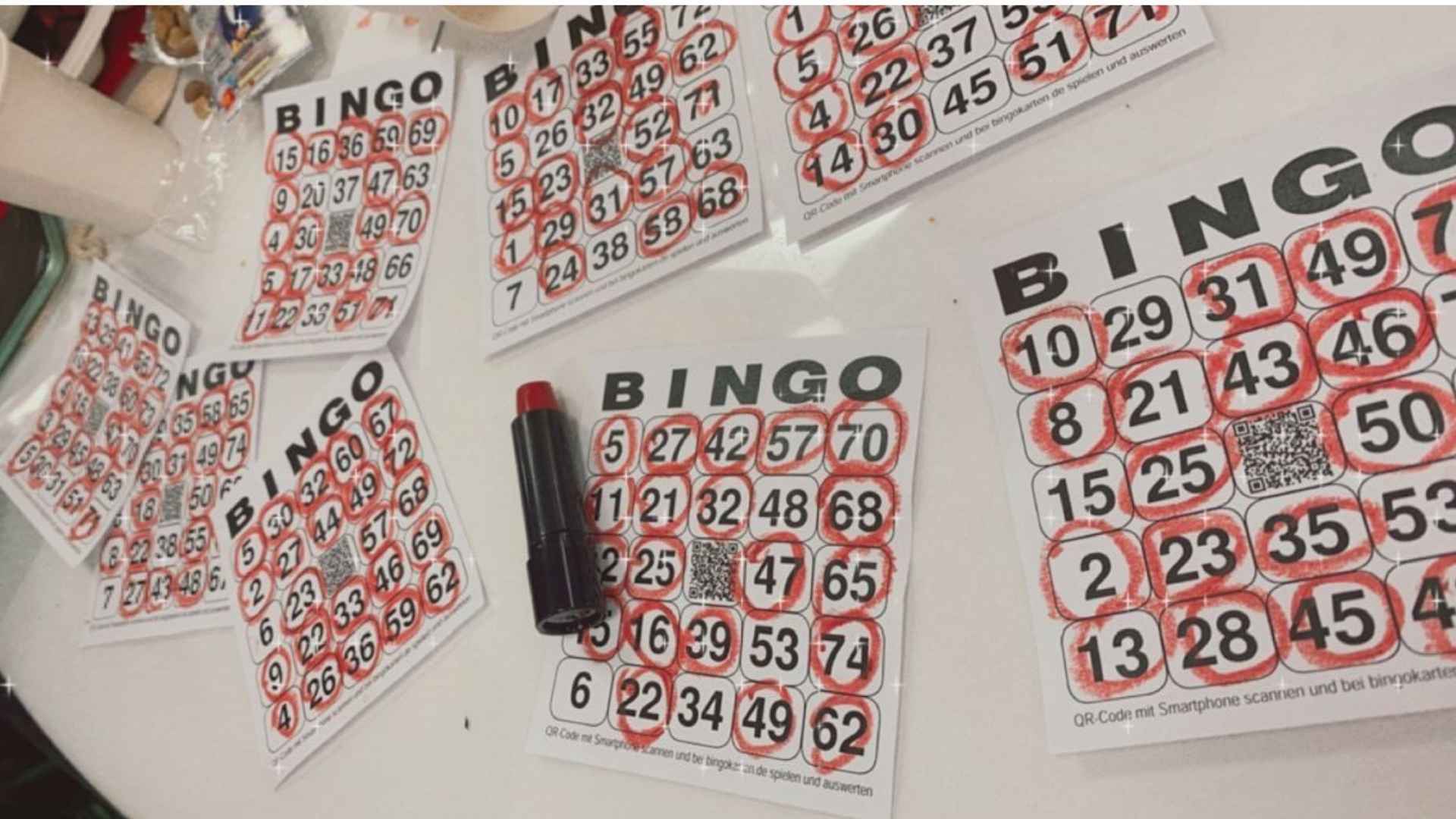
Bridge Games Strategy Guide for New Players ...
Bridge is an incredibly rewarding card game that blends mathematical probability, psychological evaluation, and deep partnership cooperation. For beginners stepping into this intellectual arena, the sheer depth of bidding systems and defensive strategies can initially feel overwhelming. However, focusing on a few fundamental concepts can rapidly build your confidence and set you on a clear path toward consistent improvement.
Establishing a Reliable Bidding System
The auction phase is the cornerstone of every single bridge hand because it allows you to describe your cards to your partner. For new players, sticking to a standardized bidding system like Standard American is highly recommended to avoid unnecessary confusion. Clear, logical bids ensure that you and your partner can accurately locate major-suit fits and determine the optimal level of play.
A solid bidding foundation relies heavily on calculating your high-card points and recognizing distribution patterns quickly. While practicing your bidding sequences, you can enjoy other recreational activities like tracking live matches on M88 sports to relax your mind. Keeping your initial agreements simple will prevent costly misunderstandings and build a much stronger partnership bond.
Formulating Your Plan as Declarer
Once you win the auction and the dummy hand is revealed, you must resist the temptation to play the first card immediately. Take a moment to count your sure winners and identify potential losers across both hands. Developing this patient habit will help you outline a logical path to fulfill your contract before the defenders can intervene.
Focus on establishing your side suits and managing your entries carefully to ensure you can move back and forth between hands. It is also essential to manage trumps efficiently, pulling the opponents' trumps early unless you need them for ruffing. Anticipating defensive switches will allow you to adapt your plan dynamically as the play unfolds.
Mastering Basic Defensive Signaling
Defending successfully is often considered the most challenging aspect of bridge, yet it offers the greatest opportunity to defeat contracts. Your opening lead is a critical communication tool that can instantly set the tone for the entire hand. New players should learn standard lead conventions, such as leading top of a sequence, to guide their partner's strategy.
During the play, utilize simple signaling techniques to share valuable information about your suit length and strength. Paying close attention to the cards your partner discards will help you build a complete picture of the table. Trusting your partner's signals is the ultimate key to mounting a disciplined and coordinated defense.
The Importance of Consistent Practice
Like any complex mental skill, becoming proficient at bridge requires patience, dedication, and regular play over time. Reviewing the hands where things went wrong is often the most effective way to identify and correct tactical errors. Over time, recognizing common card distributions will become second nature, allowing you to make correct decisions almost automatically.
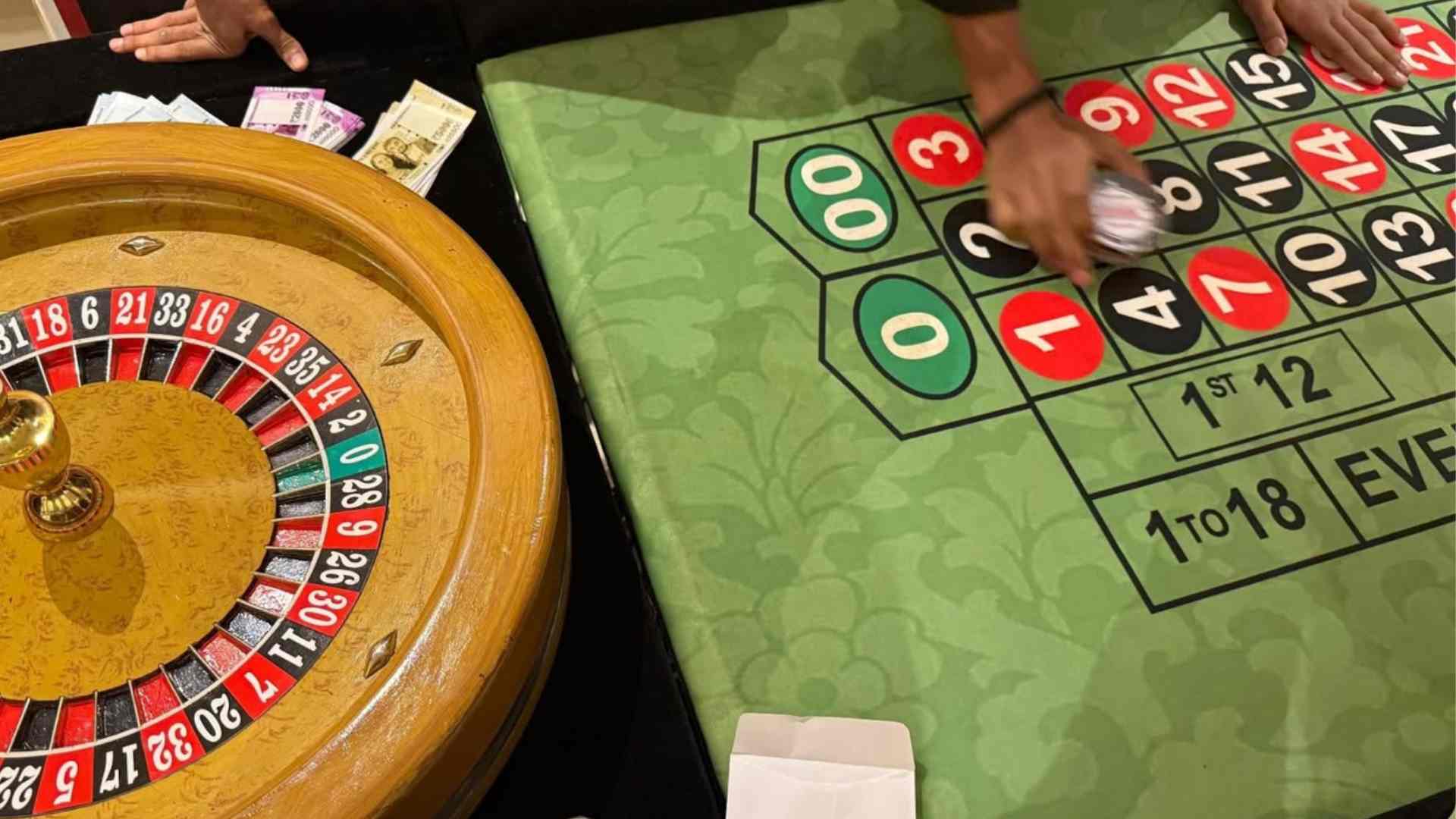
The Evolution of Poker Variants Through Time ...
The history of poker is a fascinating journey of transformation, evolving from simple local card games into a global mind sport. Over the centuries, the game has constantly adapted to shifting player preferences, cultural environments, and technological breakthroughs. This continuous adaptation has birthed a diverse family of poker variants, each offering unique challenges and strategic depths for players worldwide.
The European Roots and the Early American Frontier
Before becoming the iconic game we recognize today, poker drew heavy inspiration from historical European card games like the French poque and the Persian As-Nas. When these concepts crossed the Atlantic, they took root along the Mississippi River during the early 19th century as a rugged, 20-card game. This early version focused heavily on pure bluffing and basic hand rankings, laying the essential foundation for future rules.
As the game expanded westward across the United States, players introduced the standard 52-card deck to accommodate more participants at the table. This crucial shift allowed for the development of draw poker, which added a new layer of psychological strategy by letting players discard and replace their cards. These formative years proved that the game could easily adapt to new environments while retaining its competitive spirit.
The Rise of Stud and Community Card Games
During the American Civil War, Seven Card Stud emerged as the dominant poker variant, demanding greater patience and memory from players. By exposing some cards to the table while keeping others hidden, stud poker forced players to calculate active mathematical probabilities. For nearly a century, this structured format remained the ultimate test of a player's analytical capabilities.
The mid-20th century marked another massive shift with the rise of community card games, most notably Texas Hold'em and Omaha. These variants introduced shared cards in the center of the table, creating highly dynamic betting rounds and more complex strategic possibilities. Today, players looking for a modern platform to test these strategies can visit M88.com to experience a wide array of competitive gaming options.
The Digital Era and Global Access
The transition into the digital age during the late 1990s and early 2000s completely revolutionized how poker variants are discovered and played. Online platforms eliminated geographic boundaries, allowing classic variants and newer formats like Short Deck poker to reach millions of homes instantly. This unprecedented accessibility fueled a massive global boom, turning casual enthusiasts into seasoned tournament competitors.
Modern software has also paved the way for highly creative, fast-paced hybrid games designed specifically for mobile audiences. Players can now seamlessly switch between traditional cash games, complex mixed game formats, and rapid-fold tournaments with a single click. As technology continues to progress, the evolutionary path of poker remains wide open, promising exciting new variations for generations to come.

Easy Mahjong Guide for First-Time Players ...
Learning mahjong is an exciting endeavor that introduces first-time players to a rich tradition of strategy and social connection. While the beautifully detailed tiles might look complex at first glance, the underlying gameplay mechanics are highly logical and accessible. By focusing on a few foundational steps, beginners can quickly feel comfortable sitting down at a table for an engaging game night.
Getting Familiar with the Game Pieces
A classic mahjong set contains 144 tiles that are divided into distinct categories, including suited pieces and honor pieces. The three core suits are bamboo, characters, and dots, which are each numbered from one to nine. Newcomers should spend their first few sessions simply identifying these designs to build visual familiarity and confidence during active play.
In addition to the main suits, special tiles representing the four winds and three distinct dragons bring unique values to the game. Learning to read these tiles quickly helps prevent common oversight mistakes when matching combinations. Reliable resources like M88.com offer an easy way for modern enthusiasts to explore game layouts and sharpen their recognition skills safely.
The Fundamental Core Objective
The primary target for every player is to successfully arrange a fourteen-tile hand into specific combinations before anyone else. A standard winning hand consists of four sets of three tiles plus one identical pair, which is frequently referred to as the eyes. These sets can be consecutive numbers in the same suit or three completely identical tiles.
During a normal round, the gameplay moves clockwise as each individual draws a new tile from the pool and discards an unwanted piece. This rhythmic flow means you must constantly watch the tiles your opponents choose to discard into the center area. Recognizing when you can legally claim another person's discard adds an exciting layer of real-time strategy to the match.
Simple Strategies for Early Success
When starting out, first-time players should focus heavily on keeping their initial tile choices flexible and open to sudden changes. It is usually best to prioritize numerical sequences over identical triplets because consecutive numbers are mathematically easier to complete. Discarding isolated tiles that do not fit your current layout will naturally streamline your path to victory.
Another valuable habit is to watch the discarded tiles closely to see which pieces are no longer available in the pool. Keeping a calm and observant mindset ensures that you avoid defensive mistakes while building your own combinations. Balancing your offensive ambitions with a careful look at your opponents' moves will keep you competitive until the final draw.
Establishing Good Practice Habits
Consistency is incredibly important when trying to transition from a total novice to a skilled mahjong player. Gathering with friends or family for casual, low-stakes practice sessions provides a supportive space to learn the rules comfortably. Discussing your tile choices after a round helps clear up confusion and highlights areas where your tactical planning can improve.
As your comfort level increases, you can begin exploring popular regional variations such as Hong Kong or American styles. Each variation introduces interesting scoring rules and unique hand combinations that keep the long-term experience fresh and rewarding. Enjoying the interactive learning journey step by step is the finest way to master this classic intellectual pastime.

Best Free-to-Play Solitaire Games ...
Solitaire has transitioned beautifully from physical card decks to the digital screen, remaining a beloved pastime for millions around the globe. Finding high-quality, free-to-play versions of this classic card game is easier than ever, allowing players to enjoy cognitive training and relaxation without spending a single cent. This guide highlights the best free-to-play solitaire experiences available online today that offer great design and smooth gameplay.
The Undeniable Appeal of Classic Klondike
Klondike Solitaire remains the gold standard of single-player card games due to its simple rules and highly satisfying loop. Most free online platforms offer this mode standard, featuring sleek layouts, clean animations, and customizable card backs to suit your personal aesthetic. Playing classic Klondike is a fantastic way to unwind after a long day while keeping your analytical mind fully engaged.
Many modern browser-based versions of Klondike also include helpful features such as infinite undo buttons and smart hint systems. These tools are incredibly useful for beginners who are still learning how to read the board and navigate tight situations. To explore more engaging digital pastimes and test your strategic card skills, you can check out platforms like M88.com for an array of classic game styles.
The Strategic Depth of FreeCell and Spider Solitaire
For players who find Klondike a bit too dependent on the luck of the draw, FreeCell Solitaire offers a refreshing, purely skill-based alternative. In FreeCell, virtually every single deal is solvable, meaning your victory depends entirely on your tactical choices. The inclusion of four open cells to temporarily hold cards adds a layer of deep mathematical planning that puzzle enthusiasts adore.
Spider Solitaire is another phenomenal free-to-play variant that uses two full decks, making it a much larger and more intense challenge. Players must organize cards of the same suit in descending order to clear them from the active tableau. Successfully completing a four-suit game of Spider Solitaire is widely considered one of the most rewarding achievements in casual card gaming.
Modern Features in Free Online Solitaire Platforms
The best modern free-to-play solitaire platforms go far beyond simply offering a basic virtual green felt board. Many of these websites now include daily challenges that reward players with unique trophies, calendar achievements, and progressive difficulty settings. This keeps the experience fresh and gives solo players a fun sense of daily progression and goal-oriented gameplay.
Additionally, modern developers have optimized these classic games to run flawlessly across both mobile devices and desktop browsers. You can effortlessly start a game on your computer and finish it later on your phone without losing any progress. This extreme accessibility ensures that a relaxing and intellectually stimulating break is always just a single click away.

Table Games with Endless Replay Value ...
Finding a game that remains exciting after dozens of playthroughs is the ultimate goal for many tabletop enthusiasts. While some games lose their charm once the initial mystery is solved, table games built on dynamic systems offer endless replay value. These experiences stay fresh because they rely on player interaction, variable setups, and evolving strategies rather than static scripts.
The Power of Modular Design and Setup Variation
One of the primary ways modern table games achieve longevity is through modular components and randomized setups. By changing the board layout, available resources, or starting conditions in every session, designers ensure that players can never rely on a single winning formula. This forces participants to adapt their plans continuously, making each session feel like a brand-new puzzle to solve.
Furthermore, games that feature diverse character factions or unique player powers offer entirely different perspectives on the same ruleset. Switching your role or faction completely alters your strategic priorities and how you interact with opponents. This structural variety keeps communities engaged for years as they seek to master every possible variable.
Human Interaction and Evolving Player Meta
No mathematical variable can match the unpredictability of human decision-making at a shared table. Games that emphasize negotiation, bluffing, and direct player interaction naturally possess near-infinite replayability because opponents are constantly shifting their tactics. As players get to know each other's habits, a unique psychological meta-game develops, transforming even basic mechanics into complex battles of wit.
This social dynamism is highly evident in classic card matches and strategic wagering setups where reading the opponent is just as important as the cards you hold. For enthusiasts looking to test their tactical skills in a highly dynamic digital environment, visiting M88.com provides an excellent opportunity to explore diverse, high-fidelity table options. Engaging with real opponents ensures that no two sessions will ever play out the same way.
Deep Decision Trees and Tactical Agility
Games with high replay value often feature simple, intuitive rules that lead to incredibly deep tactical possibilities. Known in design circles as being easy to learn but difficult to master, these games provide a satisfying learning curve that keeps players coming back. Each match serves as a learning experience, prompting players to refine their approaches and experiment with unconventional tactics.
When a game presents multiple viable paths to victory, players feel empowered to explore creative choices rather than following a linear path. This sense of agency is highly rewarding and ensures the gameplay loop remains satisfying over hundreds of hours. Ultimately, the best table games are those that continue to challenge your intellect and surprise you, long after you first open the box.
Semua artikel sudah ditampilkan.