Recent Post

Finding Your Favorite Baccarat Version ...
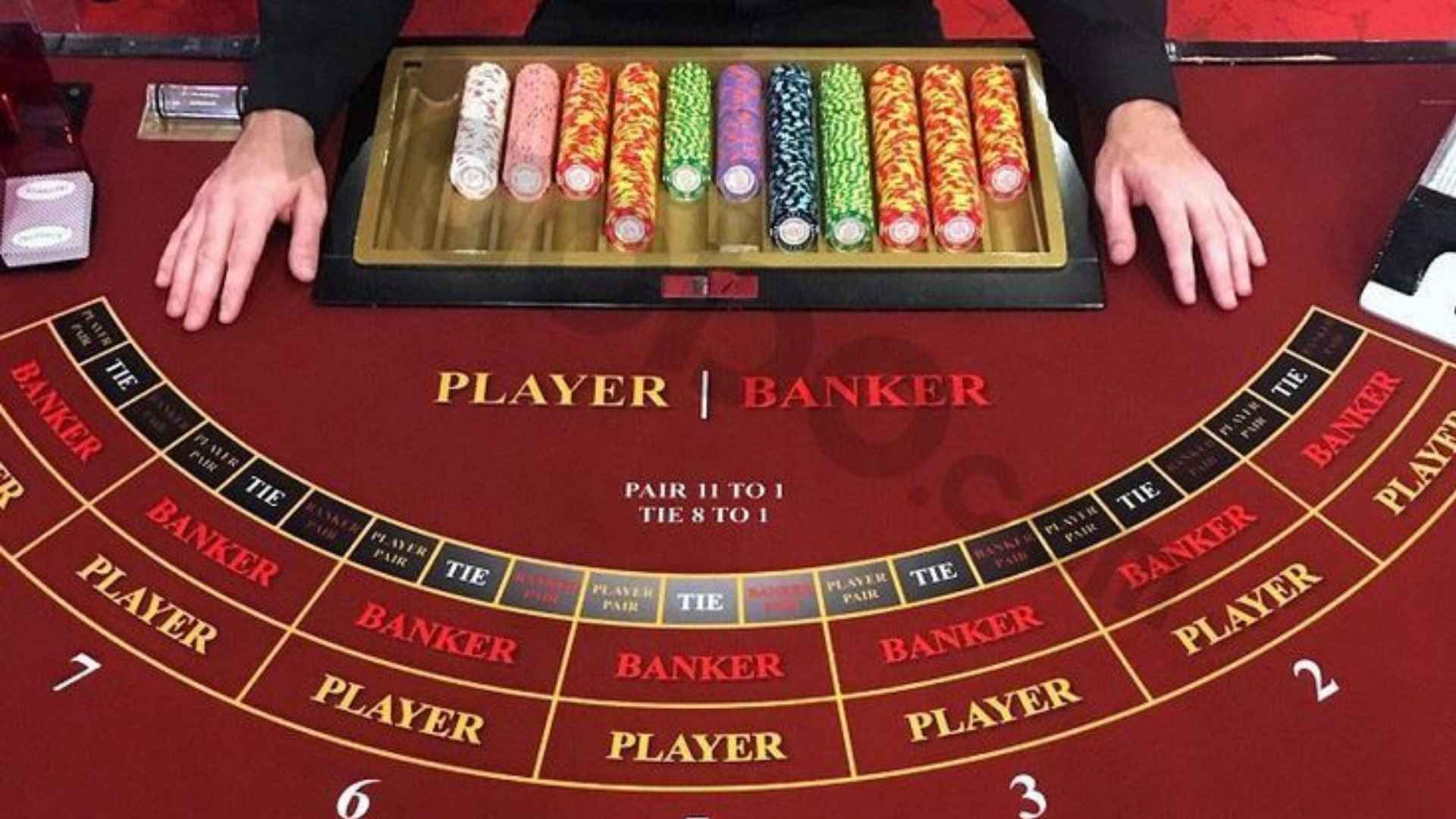
Baccarat is renowned globally as a classic casino table game that balances historical sophistication with straightforward gameplay rules. While many beginners start with the most common version, the game actually offers several distinct variations tailored to different player styles. Exploring these diverse formats can significantly elevate your entertainment levels and help you discover the exact setting that matches your personal gaming preferences.
The Widespread Simplicity of Punto Banco
Punto Banco stands as the most popular variant across North American casinos and digital platforms today. In this configuration, the casino banks the action entirely, meaning player choices are limited exclusively to choosing which hand to back. The dealer executes all card movements based on rigid, predetermined drawing instructions without any decision-making required from the participants.
This structured predictability creates a smooth, stress-free environment perfect for newcomers who are still mastering fundamental hand valuations. The lack of strategic decision-making allows players to focus completely on bankroll management and the natural flow of the round. For enthusiasts looking to explore dynamic wagering environments, visiting M88 sports provides an outstanding digital arena to observe how different tables operate.
Embracing Strategic Interaction in Chemin de Fer
For individuals who favor active involvement over passive observation, the traditional French variant known as Chemin de Fer offers an entirely different experience. In this classic format, players actively take turns assuming the role of the banker rather than playing against the house. This unique mechanic introduces genuine tactical decision-making, as the designated banker can choose whether to draw an extra card.
The social dynamic at the table is highly interactive, since participants directly compete against each other's decisions. High rollers and traditionalists often gravitate toward this style because it incorporates elements of psychology and individual choice. If you enjoy card games where your personal choices directly influence the pacing, this format is highly recommended.
Streamlined Action with Mini Baccarat Tables
Mini Baccarat provides the exact same mathematical properties and drawing guidelines as the traditional game but shrinks the physical environment. It is typically dealt on smaller, low-profile tables resembling a standard blackjack setup to make the experience less intimidating. The faster dealing speed ensures that participants can enjoy a significantly higher volume of hands per session.
By removing the formal, high-stakes rituals often associated with large casino rooms, this format democratizes the game for casual players. The lower entry requirements provide an accessible environment to practice tracking patterns without risking substantial capital. It serves as an excellent intermediary step for anyone wanting a casual yet fast-paced gaming session.
The Multi-Table Structure of Baccarat Banque
Baccarat Banque is another historic European version that closely mirrors the player-banking mechanics of Chemin de Fer but features a permanent banker. In this particular style, the banking position is filled by the player willing to risk the largest financial stake at the table. The banker remains in control across multiple hands until the entire shoe is dealt or their funds run out.
This creates a highly dramatic environment where the table is divided into two distinct layouts playing against a centralized bank. Understanding this version gives card players a deeper appreciation for the historical development of modern casino games. Evaluating these different structures ensures you can easily select the version that fits your ideal level of risk and interaction.

The Balance Between Entertainment And Strategy ...
The modern gaming landscape offers a diverse selection of experiences, but the most enduring options successfully combine fun mechanics with deep tactical layers. While some pastimes rely purely on random chance, modern digital platforms emphasize a dynamic that allows participants to engage both their emotions and their analytical minds. Achieving this equilibrium is essential for creating a sustainable environment that keeps participants returning without feeling overwhelmed.
The Core Appeal of Engaging Mechanics
Amusing mechanics serve as the foundation of any popular digital pastime, drawing players in with vibrant visual elements and fluid interactions. These components are designed to spark initial interest and provide immediate psychological rewards during the early stages of a session. When the basic loop is inherently satisfying, players can enjoy the experience organically without experiencing premature mental fatigue.
However, pure amusement without substance often leads to rapid boredom once the initial novelty begins to fade. True engagement occurs when the baseline layout serves as a gateway to deeper observation and personal mastery. Striking this balance ensures that the activity remains accessible to newcomers while retaining its long-term appeal for seasoned veterans.
Integrating Tactical Choice into Lighthearted Fun
Introducing calculated decision-making transforms a passive activity into an immersive experience where individual choices carry visible weight. Participants appreciate the opportunity to analyze ongoing trends and adjust their approaches based on changing circumstances. This strategic layer gives meaning to every action, separating memorable milestones from routine interactions.
For those looking to explore this blend of recreational enjoyment and thoughtful execution, visiting a dedicated space like M88 sports offers an excellent example of modern gaming dynamics. The combination of unpredictable outcomes and informed analysis creates a uniquely compelling loop. Ultimately, the presence of these deliberate options gives players a sense of control over their personal progression.
Fostering Relaxation and Sustained Focus
Many traditional pastimes demand intense mathematical calculations or rapid physical reflexes, which can quickly become exhausting. In contrast, modern design philosophies favor a measured pace that encourages focused awareness rather than constant anxiety. This allows individuals to appreciate the shifting momentum of a session while remaining completely relaxed.
By removing high-pressure barriers, platforms can cultivate a state of deep concentration where external worries are temporarily forgotten. This supportive environment encourages organic learning and calculated experimentation without punishing minor tactical mistakes. Consequently, the entire experience becomes an ideal form of sustainable entertainment that fits naturally into casual routines.
The Future of Modern Design Frameworks
As streaming and interactive technologies continue to advance, developers are finding innovative ways to harmonize human connection with complex data systems. Real-time presentations and professional hosts add an essential layer of transparency that traditional software animations cannot replicate. This combination builds trust and elevates the collective atmosphere of the digital floor.
Looking ahead, the most successful designs will undoubtedly continue to prioritize this harmony between straightforward accessibility and strategic depth. By keeping rules uncomplicated while allowing room for personal insight, modern platforms ensure their longevity in a competitive market. This enduring balance ensures a rewarding journey for every participant who steps up to the table.

Legal Factors That Affect Betting Choices ...
Understanding the legal frameworks surrounding online gambling is essential for anyone looking to participate safely. The regulatory parameters set by local and international authorities heavily influence where, when, and how individuals choose to place their stakes. By analyzing these legislative boundaries, participants can make informed decisions that safeguard both their capital and personal details.
The Role of Jurisdictional Licensing
The existence of a valid operating license is often the primary factor that dictates consumer trust in a platform. Different regions maintain strict regulatory bodies that enforce compliance with local gaming laws before granting operational approval. These licenses ensure that the platform operates transparently and adheres to strict fair-play standards.
When individuals verify a platform's licensing credentials, they reduce the risk of engaging with fraudulent or predatory entities. Unregulated platforms lack accountability, which can leave participants with no legal recourse in the event of a dispute. Checking verified updates on industry compliance via a reliable slot boss platform can significantly help in selecting authorized services.
Consumer Protection Laws and Data Sovereignty
Modern legal frameworks place a strong emphasis on protecting digital consumers from modern cybersecurity threats. Authorized platforms are required by law to implement sophisticated encryption protocols to secure sensitive user data. This prevents unauthorized third parties from accessing private financial records or personal information.
Furthermore, fair gaming regulations mandate that all automated systems undergo regular independent audits. These evaluations guarantee that the advertised odds align perfectly with operational realities, ensuring genuine transparency. Understanding these protective consumer rights allows participants to engage with greater peace of mind.
Age Verification and Financial Compliance
Strict age verification protocols represent another cornerstone of global gaming legislative frameworks. Operators must enforce robust identification checks during registration to prevent underage individuals from accessing real-money services. These measures are designed to support public health initiatives and maintain institutional accountability across the market.
In addition to age checks, licensed operators must comply with international anti-money laundering standards. This requires comprehensive identity verification processes prior to executing significant financial transactions or withdrawals. Adhering to these strict banking regulations ensures a fully transparent and legally compliant financial experience.
Tax Obligations on Wagering Profits
Engaging in online wagering activities often carries distinct fiscal responsibilities depending on your country of residence. Many nations classify gambling profits as taxable income, requiring accurate documentation and timely reporting from participants. Failing to declare these earnings can result in unforeseen legal complications with national revenue departments.
Tax rates and reporting thresholds vary significantly between jurisdictions, making local knowledge highly valuable. Some regions tax operators heavily while leaving players exempt, while others require direct deductions from payouts. Staying informed about local tax codes prevents unexpected financial liabilities and ensures full legal compliance.

Every Winning Strategy Starts With Clear Thinking ...
In the fast-paced world of strategic planning, success is rarely a product of mere coincidence or sudden bursts of luck. True achievements are built on a solid foundation of deliberate analysis and emotional control, ensuring that decisions are guided by logic rather than temporary impulses. When individuals learn to strip away the noise of external pressures, they can construct a more sustainable path toward their long-term goals.
The Core Elements of Objective Analysis
Clear thinking begins with the ability to look at facts objectively without letting personal bias interfere with the assessment. Analysts must evaluate each situation based on its independent merits rather than following the popular opinion of the crowd. This disciplined approach minimizes common cognitive errors and helps identify the real variables that influence a successful outcome.
By breaking down complex problems into their fundamental components, you can allocate your resources with much greater precision. Avoiding chaotic or rushed judgments allows you to maintain focus on high-probability opportunities that present genuine value. Experienced strategists know that patience during the preparatory phase always yields more robust results over time.
Managing Risk Through Psychological Discipline
Many failures in competitive environments can be traced back to emotional overreaction and the temptation to chase unrealistic returns. Maintaining an even operational mindset prevents you from overextending your bankroll or making desperate choices after an unexpected setback. Professional decision-makers rely on structured frameworks to keep their actions closely aligned with their primary principles.
Developing this internal self-control helps you navigate periods of intense pressure without abandoning your proven methodology. It is essential to treat both victories and losses as valuable data points for future refinement rather than emotional triggers. Over time, this consistent attitude creates a resilient structure capable of withstanding shifting external trends.
Utilizing Trusted Platforms for Better Insights
A reliable strategy requires a steady flow of verified information to remain accurate in an ever-changing landscape. Relying on guesswork or outdated statistics can quickly compromise even the most well-intentioned operational plan. Accessing highly reputable databases ensures that your analytical baseline remains solid and grounded in reality.
For instance, individuals looking to refine their approach often consult established digital platforms like M88.com to review updated trends and comprehensive data sets. Integrating these specialized tracking resources into your regular routine allows for much sharper forecasting and risk management. Having high-quality information at your disposal ensures that your final choices are backed by substance.
Building Long Term Consistency
Ultimately, a successful journey is defined by the repeatability of your positive habits rather than a singular moment of major profit. Prioritizing smaller, highly calculated advantages creates a compounding effect that protects your operational longevity. True strategic mastery lies in the wisdom of knowing when to act and when to wait for a better opportunity.
By remaining committed to a clear and uncomplicated plan, you eliminate the confusion that often leads to critical errors. Consistently practicing objective evaluation ensures that your judgment improves with every experience you encounter. Embracing this disciplined philosophy turns careful planning into a dependable asset for lasting achievement.

Avoid Weak Starting Hand Decisions In Poker ...
Success at the poker table begins long before the community cards are revealed or the chips start flying into the pot. Your initial selection of pocket cards forms the foundational structure of your entire game strategy. Consistently choosing to enter pots with subpar or marginal holdings is one of the quickest ways to drain your bankroll and invite unnecessary complexity into your decision-making process.
The Danger of Overplaying Marginal Holdings
Many amateur players mistake suited connectors or low pairs for premium hands that warrant aggressive preflop involvement. While these combinations certainly hold potential under specific circumstances, playing them too frequently leads to difficult post-flop scenarios where you are easily dominated. Over time, these minor tactical errors accumulate into substantial losses that can derail even the most enthusiastic player.
Developing tight opening standards ensures that you maintain an inherent mathematical advantage over looser opponents from the very beginning. By filtering out weak starting card combinations, you minimize the risk of finding yourself trapped in expensive, multi-way pots with second-best hands. This disciplined mindset transforms your overall approach, making your subsequent choices on the turn and river far more manageable.
Understanding Position and Hand Strength
Your physical seat at the table should heavily influence how selective you are with your initial holdings during any given round. When acting from early position, the lack of information regarding your opponents' intentions demands that you play an exceptionally narrow range of premium cards. Conversely, late position grants you the tactical flexibility to occasionally expand your horizons as you can observe everyone else's actions first.
Disregarding table position while playing weak cards forces you to constantly react rather than dictate the flow of the game. For individuals looking to practice these foundational concepts in a secure environment, utilizing a trusted platform like M88.com offers an excellent way to refine your strategic selection process. True mastery involves realizing that a hand perfectly playable from the button can quickly become a financial liability when dealt under the gun.
The Psychological Aspect of Preflop Discipline
Maintaining a strict card selection process requires a high degree of emotional control and patience during long gaming sessions. Many players succumb to boredom or frustration after folding several consecutive rounds, causing them to lower their standards and play weak cards out of desperation. This psychological vulnerability often signals to observant opponents that you are ripe for exploitation.
Treating every fold as a strategic investment rather than a missed opportunity protects your stack and reinforces your table image as a formidable competitor. When you finally decide to enter a pot, your opponents will respect your aggression, allowing you to control the betting sizing more effectively. Ultimately, building mental resilience against preflop impatience is just as critical as memorizing complex mathematical odds.

Poker Bluffing Decisions Made Easier ...
Making the right move at the poker table often comes down to executing a well-timed deception with absolute certainty. Many players struggle to determine the exact moments when a false bet will yield a profitable result. By breaking down the core elements of table dynamics, players can significantly simplify their choice patterns during high-stakes moments.
Analyzing Table Texture and Board Layout
The community cards dealt on the board offer vital clues about whether a deception will succeed or fail miserably. An uncoordinated board with scattered values makes it much easier to represent a wide variety of strong starting hands. Conversely, highly connected textures containing multiple draws usually encourage opponents to call your aggressive raises.
Evaluating how the visible cards interact with your opponent's perceived range is a fundamental step toward making better choices. If the board shifts unexpectedly on the turn or river, you must quickly re-evaluate your strategy to avoid costly errors. Simplifying this assessment allows you to execute moves based on logic rather than pure guesswork.
Evaluating Opponent Tendencies and Habits
A successful tactical choice relies heavily on observing the small habits and playing styles of the people sitting around you. It is generally far more effective to target disciplined competitors who are capable of folding medium-strength combinations under pressure. Loose and unpredictable players who call down with any pair should rarely be targeted with major bluffs.
Gathering historical data throughout a session helps you categorize your rivals into distinct behavioral buckets. When you understand how a specific competitor reacts to sudden aggression, choosing your spots becomes a much more direct exercise. Experienced players consistently monitor these small details to maintain a steady advantage over the long run.
Utilizing Position to Reduce Strategic Risk
Acting last in a betting sequence provides an enormous informational advantage that can instantly turn a difficult choice into an obvious one. When all your rivals check before your turn, they openly signal a general lack of strength in their current holdings. This clear window of opportunity allows you to apply pressure with minimal risk to your chip stack.
For individuals looking to sharpen their skills and test these theories in real-time environments, checking out updates from M88.com provides valuable perspectives. Utilizing late position effectively minimizes the defensive moves your opponents can make against your tactical plays. By controlling the flow of the hand from the back of the table, you reduce the complexity of your overall game plan.
Managing Physical Tells and Mental Comfort
Controlling your breathing patterns and maintaining a steady physical posture prevents observant opponents from reading your true intentions. Novice competitors frequently give away the strength of their hands through sudden shifts in betting speed or nervous ticks. Developing a uniform routine for every action ensures your deceptive plays look identical to your value bets.
Consistency in your emotional demeanor makes it nearly impossible for rivals to decipher your exact strategic goals. When you eliminate predictable behavioral variations, you force the rest of the table into uncomfortable guessing situations. Protecting your personal image remains one of the most reliable ways to make your execution seamless.
Poker Terminology For Better Hand Evaluation ...
Mastering the language of the card table is a fundamental step toward improving your overall success rate in competitive games. Understanding specific vocabulary allows you to move beyond simple guesswork and transition into precise strategic calculations. By learning how to categorize your cards using established industry terms, you can make much smarter decisions during high-pressure rounds.
Differentiating Made Hands and Drawing Potential
One of the most vital distinctions every serious player must learn is the difference between a currently completed holding and one that requires future cards. A made hand represents a combination that already possesses independent value, such as a top pair or a full house. These holdings give you an immediate foundation to build a betting strategy during the current round of play.
Conversely, a drawing hand is currently incomplete but holds significant potential to become a powerhouse if the correct pieces arrive on the board. Common examples include four cards of the same suit or a consecutive sequence missing just one value. Recognizing these scenarios accurately helps you calculate your mathematical odds before committing more chips to the pot.
Recognizing the Ultimate Strength Levels
When analyzing the board texture, players frequently use specific jargon to describe where their current holdings rank against potential opponent combinations. The term absolute nuts refers to the strongest possible hand available given the community cards currently displayed on the table. Holding this unbeatable combination allows you to maximize your value bets without any fear of being outplayed.
To safely navigate online environments, practicing these calculations in live simulation spaces can greatly accelerate your learning curve. Utilizing an established platform like M88.com offers an excellent environment to observe how different card textures shift the balance of power in real time. Developing this situational awareness ensures you can identify exactly when you hold the advantage.
Assessing Texas Holdem Board Textures
The shared community cards on the table dictate the overall volatility of a round, which experts describe through distinct texture classifications. A dry board features disconnected cards that make it highly unlikely for any participant to have completed a straight or a flush. On these tables, basic pairs often retain their strength, leading to more straightforward betting patterns.
In contrast, a wet board contains highly coordinated cards that present numerous mathematical dangers for unprotected top pairs. When multiple draws are clearly visible, evaluating your personal strength requires a much more cautious and analytical approach. Knowing how to read these environmental factors protects your bankroll from unexpected reversals of fortune.
Understanding Range Equity and Conditional Value
Advanced hand evaluation requires you to think about groups of potential cards rather than focusing solely on individual combinations. This concept is known as range equity, which measures how your current holdings perform against the entire distribution of hands an opponent might realistically hold. Evaluating ranges prevents you from making emotional assumptions based on a single bad beat.
Ultimately, consistent success at the tables relies on your ability to adjust your calculations as new information becomes available on the turn and river. Every check, bet, or raise from an opponent narrows down their likely distribution of cards. Integrating professional terminology into your thought process helps you systematize this analysis for long-term improvement.

How Card Values Affect Your Score ...
Understanding the exact mathematical value of each card in your hand is the defining factor between a novice player and a seasoned expert. In many popular traditional card games, points dictate your standing at the end of every intense round. Learning to evaluate these specific point assignments allows you to calculate risk and manage your total score effectively.
The Core Impact of Numbered Cards on Points
Numbered cards from two to ten usually contribute their explicit numerical value directly to your running tally. Holding onto multiple high-numbered cards like nines or tens represents a massive point liability if the round concludes unexpectedly. Smart players track these specific values diligently to ensure their potential penalty remains as low as possible.
When forming combinations, matching lower numbers is a highly reliable defensive strategy. If you fail to complete a sequence, dropping a minor number will heavily minimize the damage to your score. Balancing these numerical assets during the early stage of the game builds a solid foundation for winning.
Evaluating High Penalty Risks with Face Cards
Face cards, which consist of Jacks, Queens, and Kings, are traditionally assigned a flat, heavy penalty value of ten points each. Because they carry such significant scoring weight, keeping unmelded face cards in your hand is an extremely dangerous tactic. You must prioritize resolving these high-value burdens as fast as humanly possible during active play.
Discarding these royal elements early protects your standing in case an opponent suddenly decides to end the match. While they are useful for building valuable high sequences, their potential penalty often outweighs their immediate structural utility. Managing the delicate risk of face cards separates top-tier competitors from standard players.
The Volatile Role of Aces and Special Cards
Aces occupy a unique space in card games because their point values can fluctuate dramatically based on the variant you play. In standard formats, an ace might only cost you a single point when utilized at the bottom of a sequence. However, advanced scoring rules frequently elevate an unmelded ace to a staggering fifteen points.
Wild cards and jokers add another layer of strategic depth since they carry distinct penalty weights if left uncombined. Educational gaming platforms like M88.com offer exceptional resources to help players master these intricate rule adjustments. Understanding these volatile point assignments prevents unexpected scoring disasters when the round stops.
Transforming Value Awareness into Strategic Victories
Ultimately, transforming your knowledge of card weights into actionable gameplay decisions will grant you a major competitive edge. You must actively focus on constructing low-value combinations while systematically purging high-point elements from your hand. This calculated approach safeguards your overall tournament ranking even during difficult rounds.
Monitoring the discard pile closely helps you deduce which exact point values are safe to let go. Combining strict point management with sharp observational skills guarantees visible long-term improvement. With enough dedication, tracking card metrics becomes a natural reflex that elevates your ultimate success rate.

The Language Of Bluffing Betting And Reading Opponents ...
Mastering competitive card games requires far more than simply memorizing the basic rules and mathematical odds. Elite players rely heavily on an intricate web of hidden signals, timing tells, and psychological strategies to dominate the table. Understanding this silent dialogue allows you to control the flow of the game and manipulate your opponents into making costly errors.
The Psychology of Deceptive Play
Bluffing is often misunderstood as a simple act of random aggression or reckless betting. In reality, a successful bluff requires building a logical and believable story that forces your opponent to fold. You must project ultimate confidence while maintaining a completely consistent betting pattern throughout the hand.
Advanced competitors analyze their opponents' previous habits before attempting a complex deception. If a player shows a history of folding under pressure, they become an ideal target for a well-timed bluff. Choosing the right moment to strike is what separates casual players from tactical experts.
Interpreting Betting Actions and Mechanics
The manner in which an individual wagers their chips provides critical insight into their overall strategy. Sudden and dramatic changes in bet sizing usually indicate either extreme strength or vulnerable desperation. Paying close attention to these mechanical shifts helps you decipher the true value behind their actions.
For instance, a small value bet often invites an opponent to call when you hold the winning combination. Conversely, overbetting the pot can scare away cautious players or isolate a specific target. When you want to practice analyzing these betting variations in a dynamic environment, utilizing a platform like M88.com offers an excellent space to refine your skills.
Cracking the Code of Pacing Tells
How long a player takes to make a decision is one of the most reliable indicators of their hand strength. An immediate check usually signals weakness, suggesting that the player wants to see the next card without investing more chips. On the other hand, a long pause followed by a massive raise typically points toward deep tactical calculation.
Recognizing these subtle timing variations prevents you from falling into traps set by experienced table veterans. When you learn to observe these pacing habits, you can accurately predict your opponent's next move. Consistency in your own decision-making time is equally vital to protect your strategic intentions.
Reading Body Language and Table Presence
Physical tells remain highly prevalent in live games where emotions are incredibly difficult to mask completely. Subtle signs like breathing patterns, eye contact, and posture can reveal a player's underlying anxiety or comfort levels. Learning to differentiate between forced confidence and genuine relaxation takes considerable practice.
Many players unintentionally broadcast their intent by glancing at their chip stack immediately after a dangerous card lands. This micro-expression happens in a fraction of a second and is rarely noticed by untrained participants. Becoming an elite player requires keeping your own expressions completely neutral while focusing entirely on the habits of others.
Winning Psychology In Poker Bluffing Guide ...
Mastering the mental battlefield of card games requires far more than basic mathematical knowledge or favorable card distributions. True professionals understand that orchestrating a successful deception relies heavily on managing emotional stability and manipulating table perceptions. By aligning tactical discipline with acute behavioral analysis, players can consistently dictate the narrative of any given hand.
The Foundation of Emotional Regulation
Remaining completely neutral under immense competitive pressure is the primary shield against costly strategic errors. When players allow temporary frustration or sudden losses to dictate their chips placement, their decision-making process becomes highly volatile. Cultivating strong mental resilience ensures that every high-stakes move remains strictly calculated rather than emotionally driven.
Developing a consistent psychological baseline prevents opponents from uncovering subtle behavioral patterns or unintended tells. Experienced competitors deliberately utilize breathing exercises and cognitive pauses to maintain absolute composure throughout long gaming sessions. This disciplined approach builds an unpredictable table presence that naturally discourages aggressive counterplays.
Analyzing and Exploiting Opponent Profiles
Accurately reading the psychological tendencies of your rivals provides the essential data required for executing convincing bluffs. Observing how individual participants react to unexpected community cards allows you to identify specific vulnerabilities in their defensive strategies. Gathering these distinct insights shifts the competitive advantage heavily in your favor before major bets are placed.
For instance, players can study tactical frameworks on established digital platforms like M88.com to sharpen their player profiling capabilities. Recognizing whether an opponent plays conservatively or aggressively helps determine the precise moments where deceptive pressure will yield maximum results. Tailoring your deception to exploit individual mindset weaknesses significantly elevates overall success rates across multiple rounds.
The Strategy of Process-Oriented Thinking
Focusing entirely on the long-term validity of your tactical choices protects your mindset from the harmful effects of short-term variance. Amateur players often make the mistake of measuring their success solely by immediate financial outcomes rather than strategic execution. Embracing an analytical perspective allows you to review complex hands objectively and refine your baseline operations.
Maintaining a process-oriented mindset helps eliminate ego-driven mistakes such as chasing losses or executing personal vendettas at the table. When you treat every betting sequence as an intellectual puzzle, your analytical efficiency remains entirely uncompromised. This methodical approach establishes a strong strategic foundation that withstands intense psychological pressure over time.
Balancing Credibility and Table Image
The historical narrative you establish during earlier rounds directly influences how convincingly your deceptive actions are perceived by others. If you have spent considerable time demonstrating disciplined selectivity, your sudden aggressive moves will carry massive psychological weight. Managing this perceived image requires constant adjustment based on active table dynamics.
Dynamic positioning and situational awareness allow you to represent strong card combinations with maximum authority and minimal risk. Top-tier strategists constantly evaluate how their betting lines appear from the perspective of their opponents to ensure total narrative cohesion. Mastering this deep psychological alignment transforms routine deceptions into highly profitable competitive tools.
Semua artikel sudah ditampilkan.